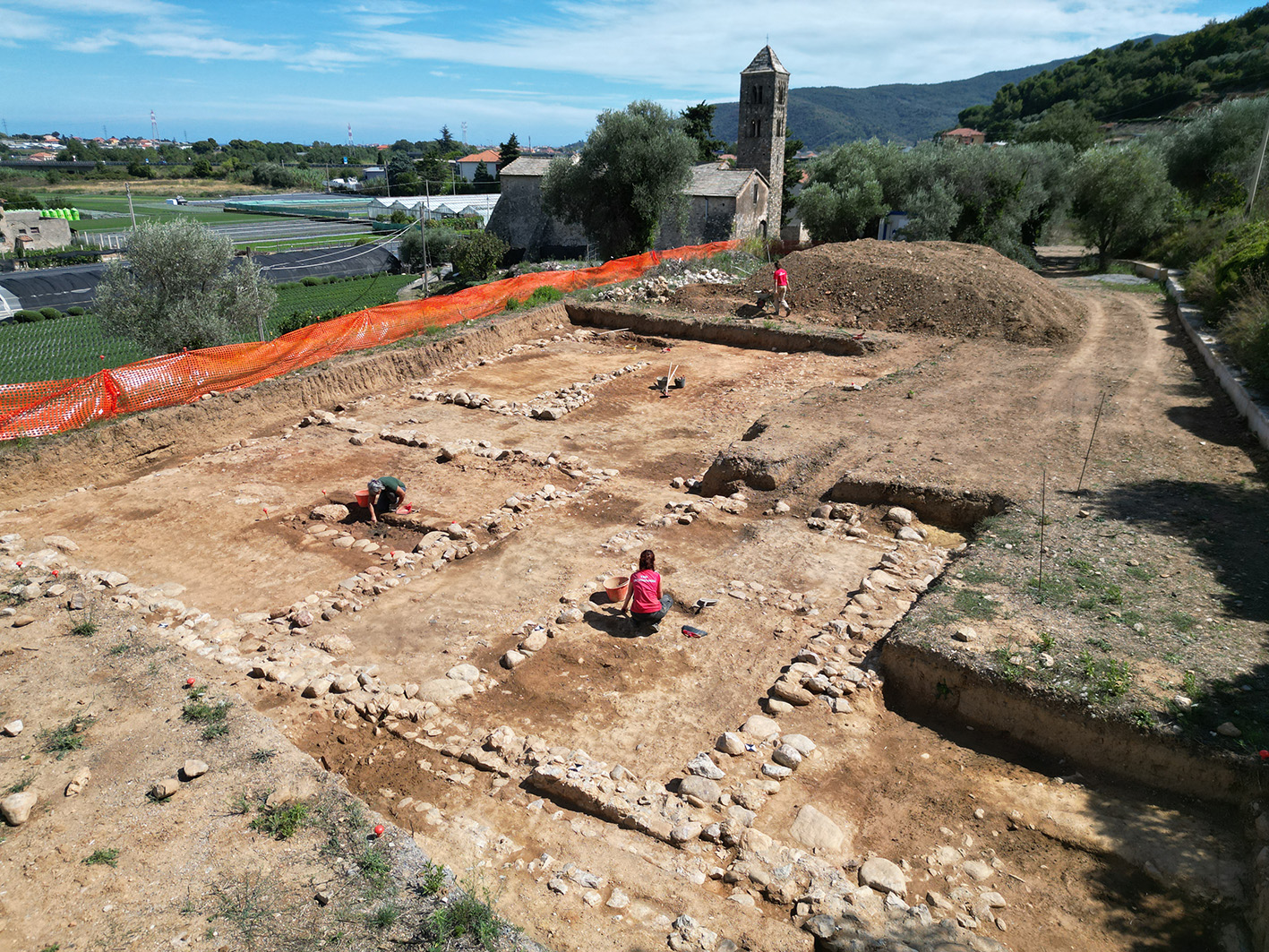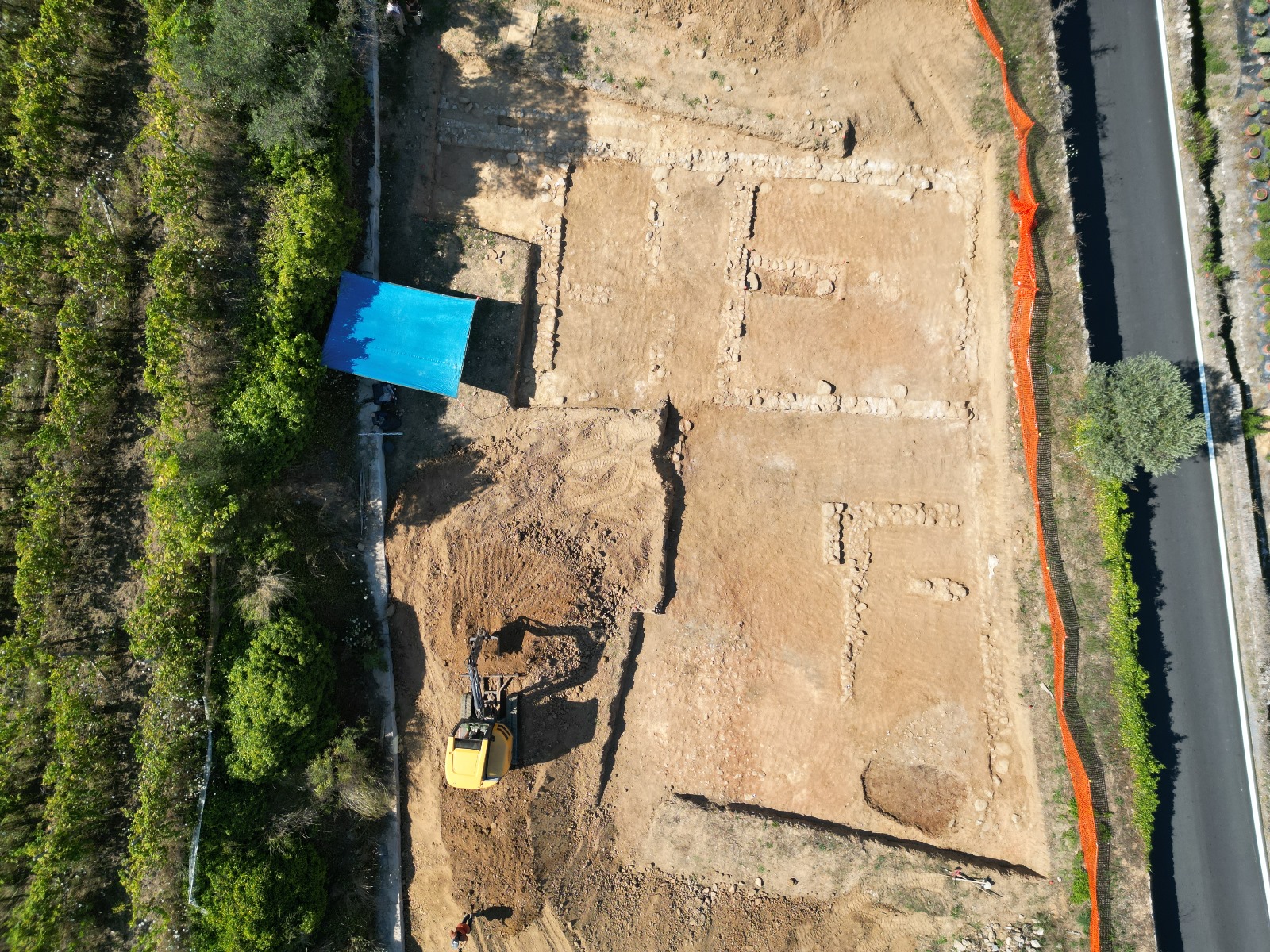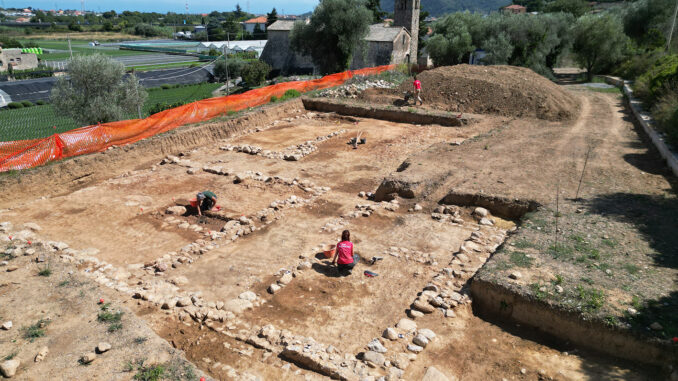
In the vicinity of Albenga, a significant archaeological discovery has come to light, shedding new insight on the region’s Roman heritage. During infrastructure works in June 2024, remnants of ancient walls were uncovered in Regione Massaro, near the small church of Santo Stefano. These finds, identified as dating back to the Roman era, have prompted a careful and methodical investigation overseen by the local Superintendence for Archaeological Heritage.
The initial discovery occurred amidst construction for a new aqueduct. Due to the imperative to proceed with the public works, an extensive archaeological excavation was initially unfeasible. However, recognising the importance of the site, authorities imposed a protective archaeological constraint on the surrounding land to safeguard any further buried vestiges. Subsequent non-invasive geognostic surveys conducted in December revealed promising indications of additional structures beneath the surface.
Thanks to funding from the Ministry of Culture, a comprehensive excavation commenced in July 2024. This effort is a collaboration between the Superintendence, led by official M. Conventi, the archaeological firm Tesi Archeologia, and archaeologist M. Tornatore. The site is owned by the Clerical Support Institute, which has cooperated fully with the investigation.
The unearthed remains correspond to a rural Roman building, consistent with the known pattern of agricultural settlements that once populated the fertile plains behind Albenga. In Roman times, the area hosted numerous farmsteads that capitalised on the region’s agricultural potential. The location’s raised position, overlooking the sea to the east and situated along a historical route connecting Albingaunum and its port, is comparable to other documented Roman rural villas found nearby in Lusignano and Regione Miranda.
Ongoing excavations, expected to continue for approximately one month, aim to establish the full extent of the structure, delineate the layout of its internal spaces, and clarify its functional use over time. The investigation also seeks to understand the chronology of occupation and eventual abandonment of the site.
To coincide with the European Heritage Days on Saturday 27 September, the excavation will be open for public visits. Attendees will have the opportunity to engage directly with the archaeologists and learn about the findings through their expert commentary. Details regarding the organisation of this event will be announced shortly by the Superintendence.
This discovery contributes to the broader understanding of Albenga’s historical landscape and enriches the narrative of Roman rural life in Liguria, reaffirming the value of careful preservation and study of archaeological heritage.