
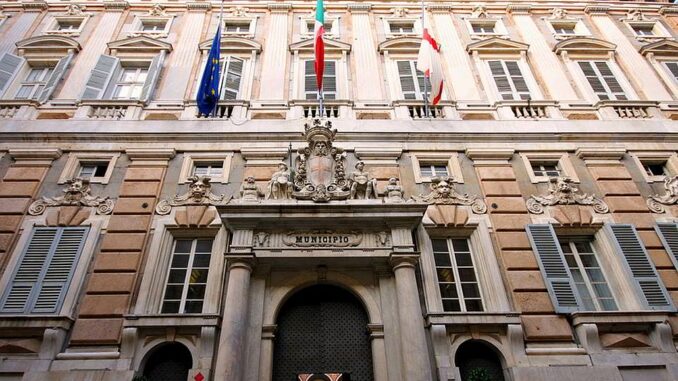
In the enchanting region of Liguria, nestled between the azure Ligurian Sea and the towering Apennine Mountains, municipalities play a pivotal role in the governance and daily administration of local communities. A municipality, or “comune” in Italian, is the basic administrative unit in Italy, and its structure and functions are defined both by national laws and local statutes. This article delves into the intricate workings of a typical Ligurian municipality, exploring its organisation and administrative functions.
Structure of Municipal Administration
A Ligurian municipality’s administration is typically headed by the Mayor (Sindaco), who acts as the highest authority and representative of the comune. The Mayor is elected directly by the residents and is responsible for the overall governance and implementation of policies within the municipal territory. The role is both ceremonial and executive, involving oversight of municipal operations and representing the municipality in legal matters.
Assisting the Mayor is the City Council (Consiglio Comunale), an elected legislative body responsible for setting policies, approving budgets, and enacting local regulations. The number of council members varies depending on the population size of the municipality. The council operates through various committees, each focusing on specific areas such as urban planning, education, and social services.
Complementing the City Council is the Executive Committee (Giunta Comunale), composed of the Mayor and a select number of assessors (assessori), who are appointed by the Mayor. The Executive Committee is tasked with implementing council decisions and managing the day-to-day operations of the municipality. Each assessor typically oversees a specific department, such as finance, public works, or culture.
Functions and Responsibilities
Municipalities in Liguria are vested with a wide range of responsibilities that significantly impact the quality of life of their residents. These duties are designed to cater to local needs while adhering to regional and national regulations.
- Urban Planning and Development: Municipalities are responsible for land-use planning, zoning, and regulating construction activities. They ensure that development projects comply with environmental standards and aesthetic guidelines, preserving Liguria’s unique landscape.
- Public Services: Providing essential public services such as waste management, water supply, and public transportation is a core function. Municipalities manage these services either directly or through contracts with private companies.
- Education and Culture: While the national government sets educational standards, municipalities oversee the maintenance of school buildings and the provision of extracurricular activities. They also promote cultural events and manage local libraries and museums.
- Social Services: Municipalities play a crucial role in delivering social services, including support for the elderly, childcare, and assistance for disadvantaged groups. They work closely with regional health authorities to ensure comprehensive healthcare services.
- Local Economy and Tourism: Given Liguria’s popularity as a tourist destination, municipalities actively promote tourism and support local businesses. They organise events and initiatives to attract visitors and stimulate the local economy.
Financial Management
Financing municipal activities requires careful financial management. Municipalities in Liguria derive their revenue from various sources: local taxes and fees, contributions from the regional government, and funds from the national government. Property taxes, waste collection fees, and charges for public services constitute a significant portion of local revenue.
The municipality’s budget is a critical tool for planning its activities and is subject to approval by the City Council. The budget outlines projected revenues and expenditures, ensuring transparency and accountability in financial operations.
Citizen Engagement and Participation
Citizen involvement is a cornerstone of municipal governance in Liguria. Municipalities encourage public participation through consultations, public meetings, and transparent communication channels. Residents have the opportunity to express their opinions on local issues and participate in decision-making processes, fostering a sense of community and shared responsibility.
In conclusion, the administration of a municipality in Liguria is a multifaceted endeavour, balancing the demands of governance, service provision, and community engagement. Through a well-structured organisation and a commitment to serving local needs, Ligurian municipalities ensure that the region remains a vibrant and thriving place to live, work, and visit.
(effe)