The Municipality of Loano observed today, Monday, November 25th, the International Day for the Elimination of Violence Against Women, an event established by the United Nations General Assembly that is commemorated annually. On this day, the United Nations urges governments, international organizations, and NGOs to promote initiatives that raise public awareness of one of the most severe human rights violations.
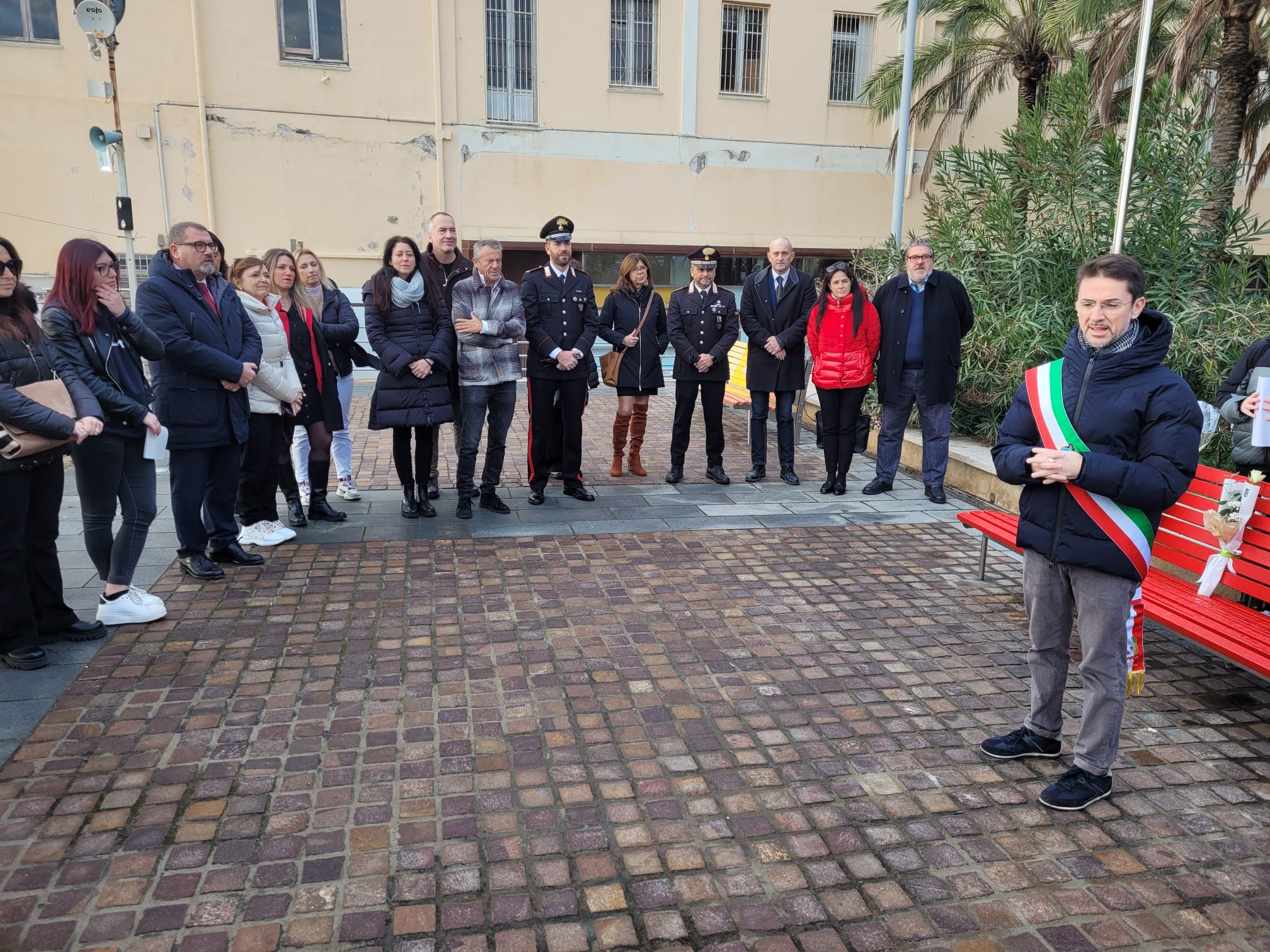
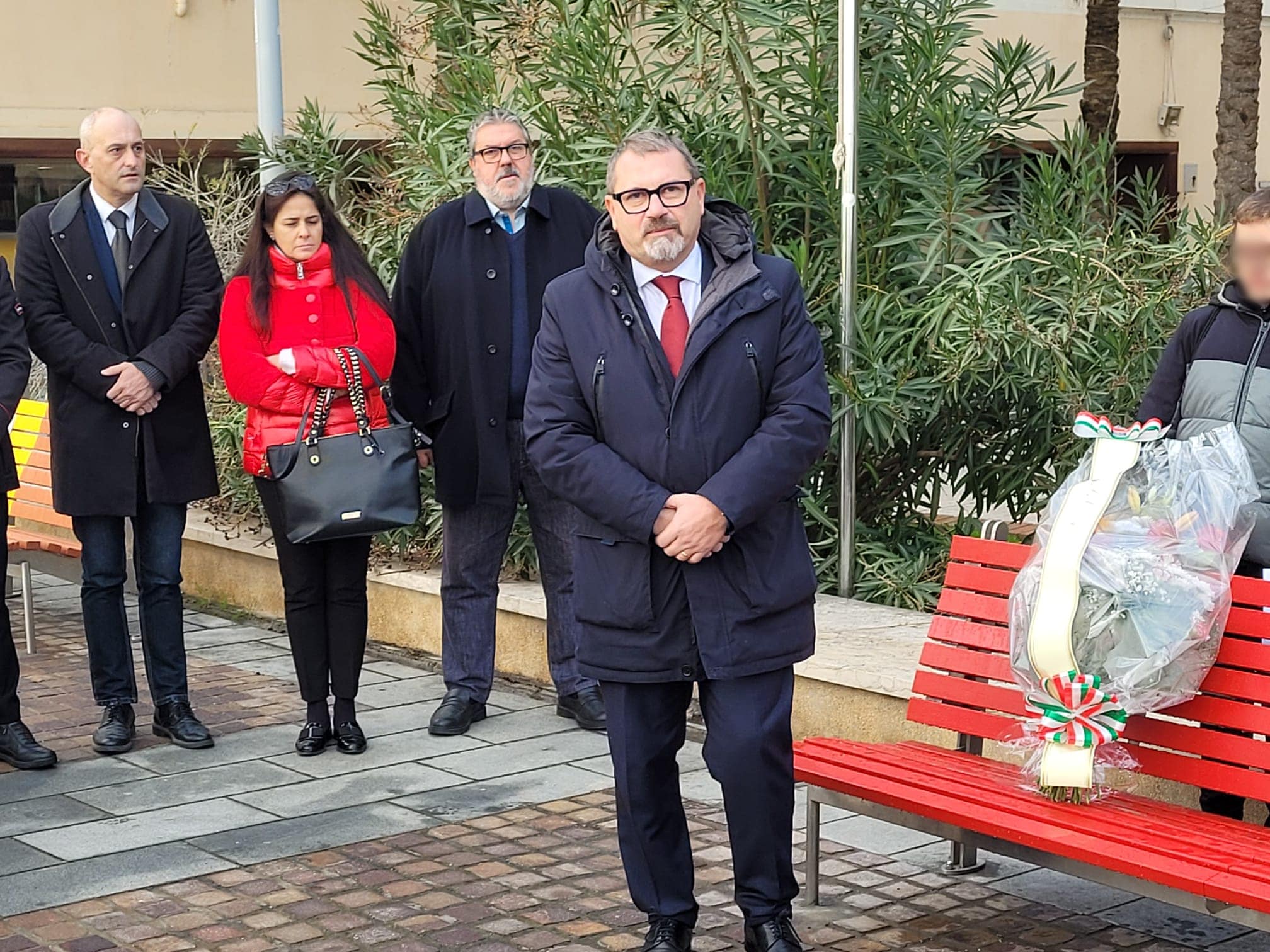
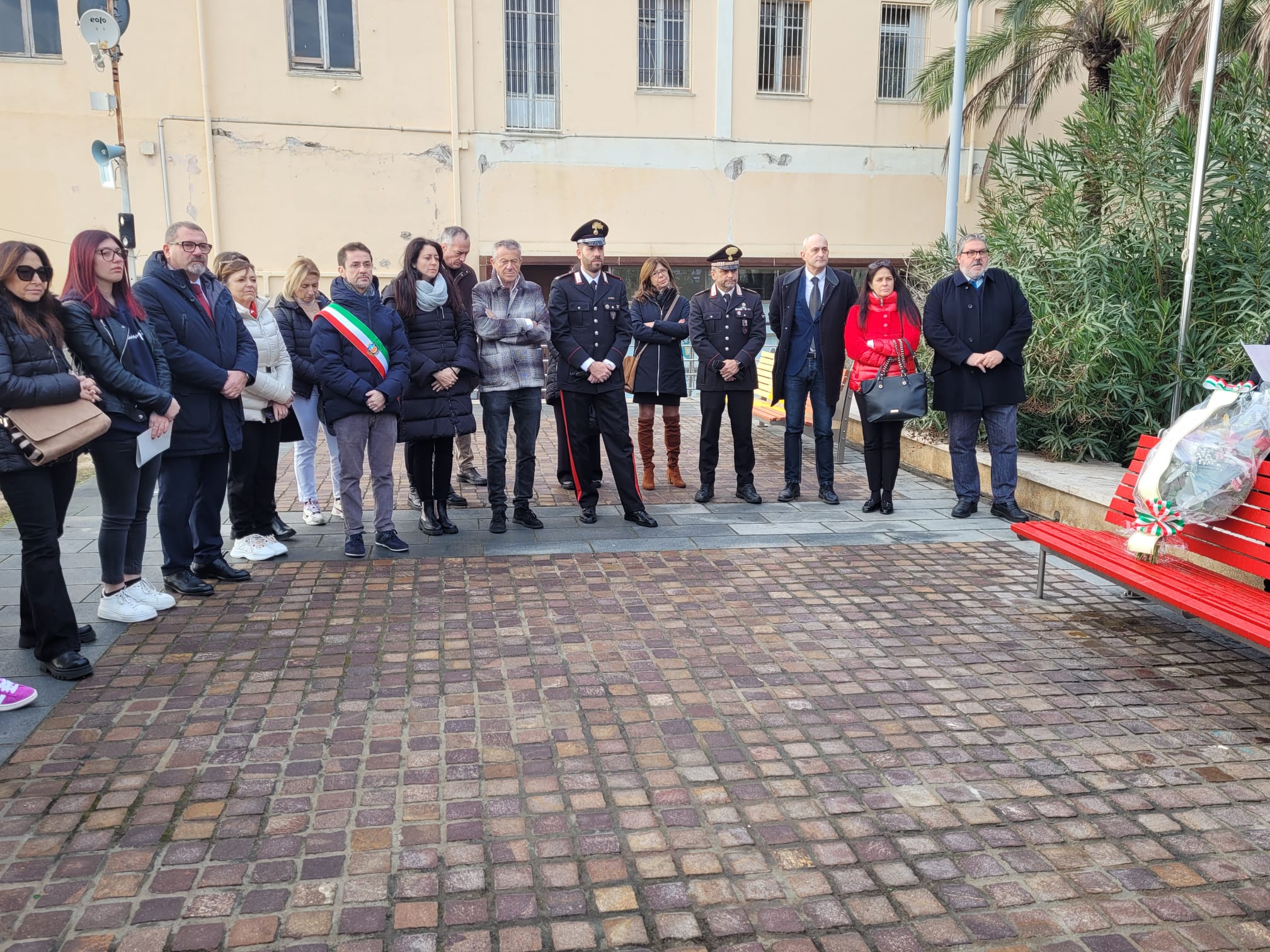
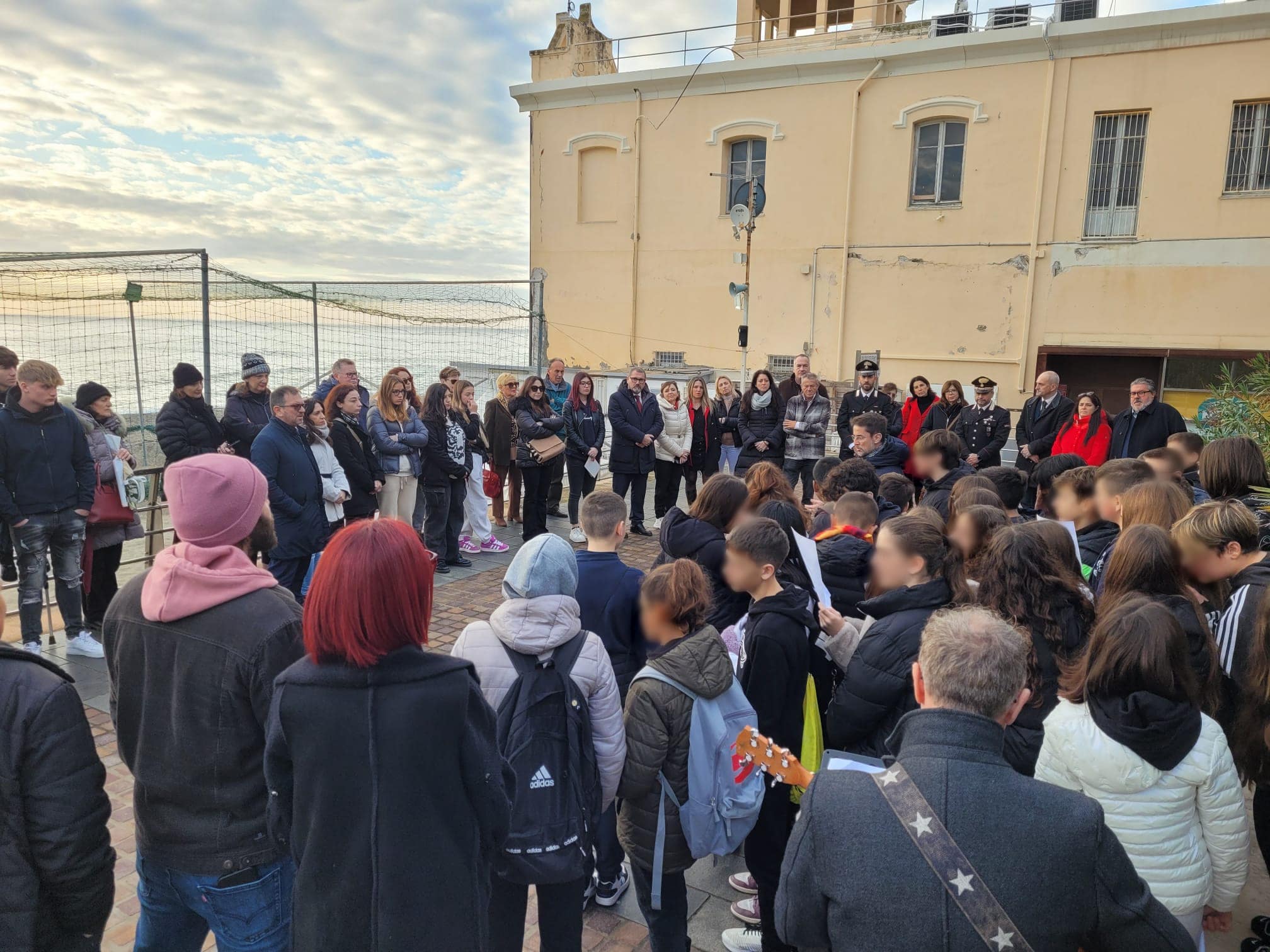
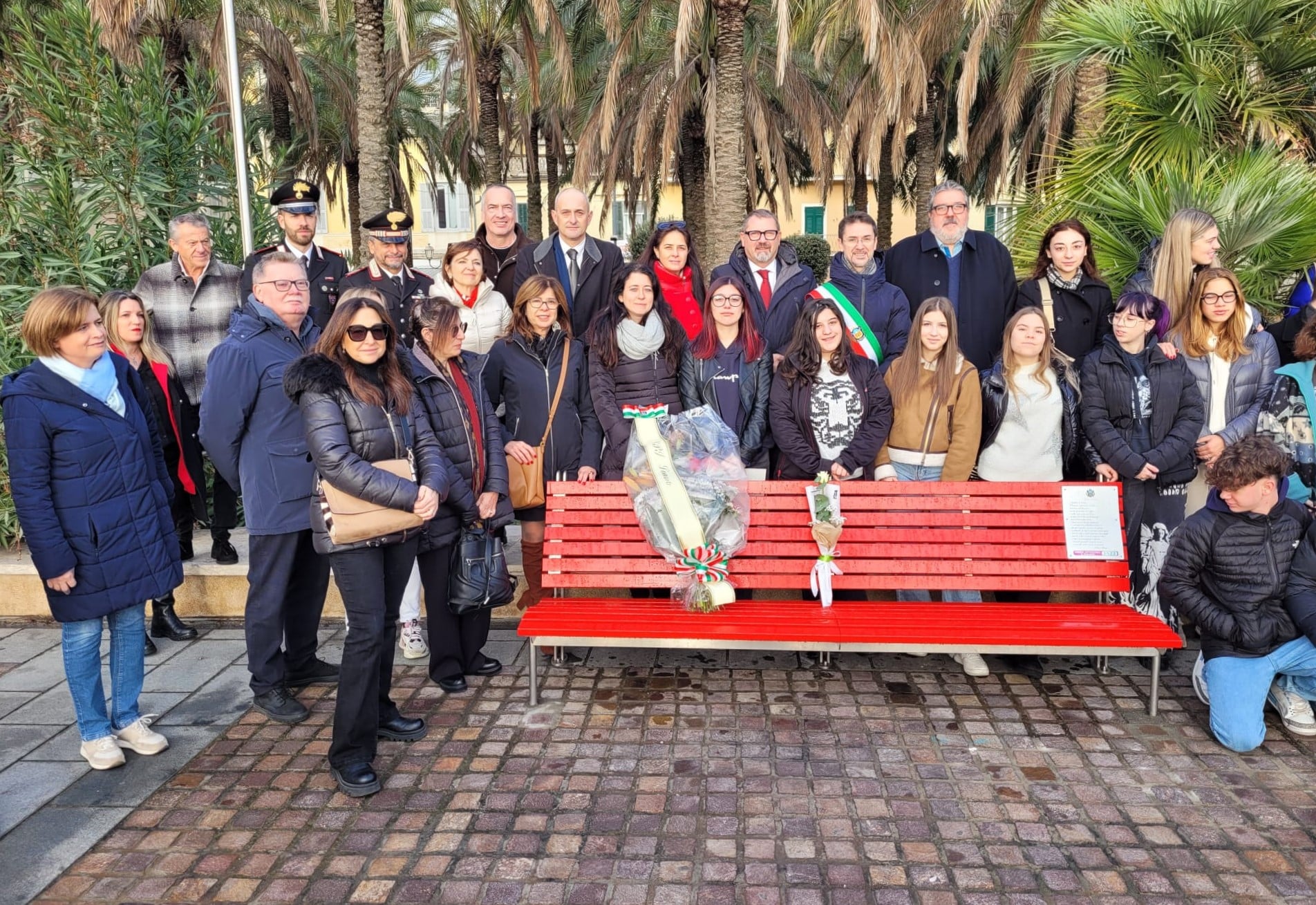
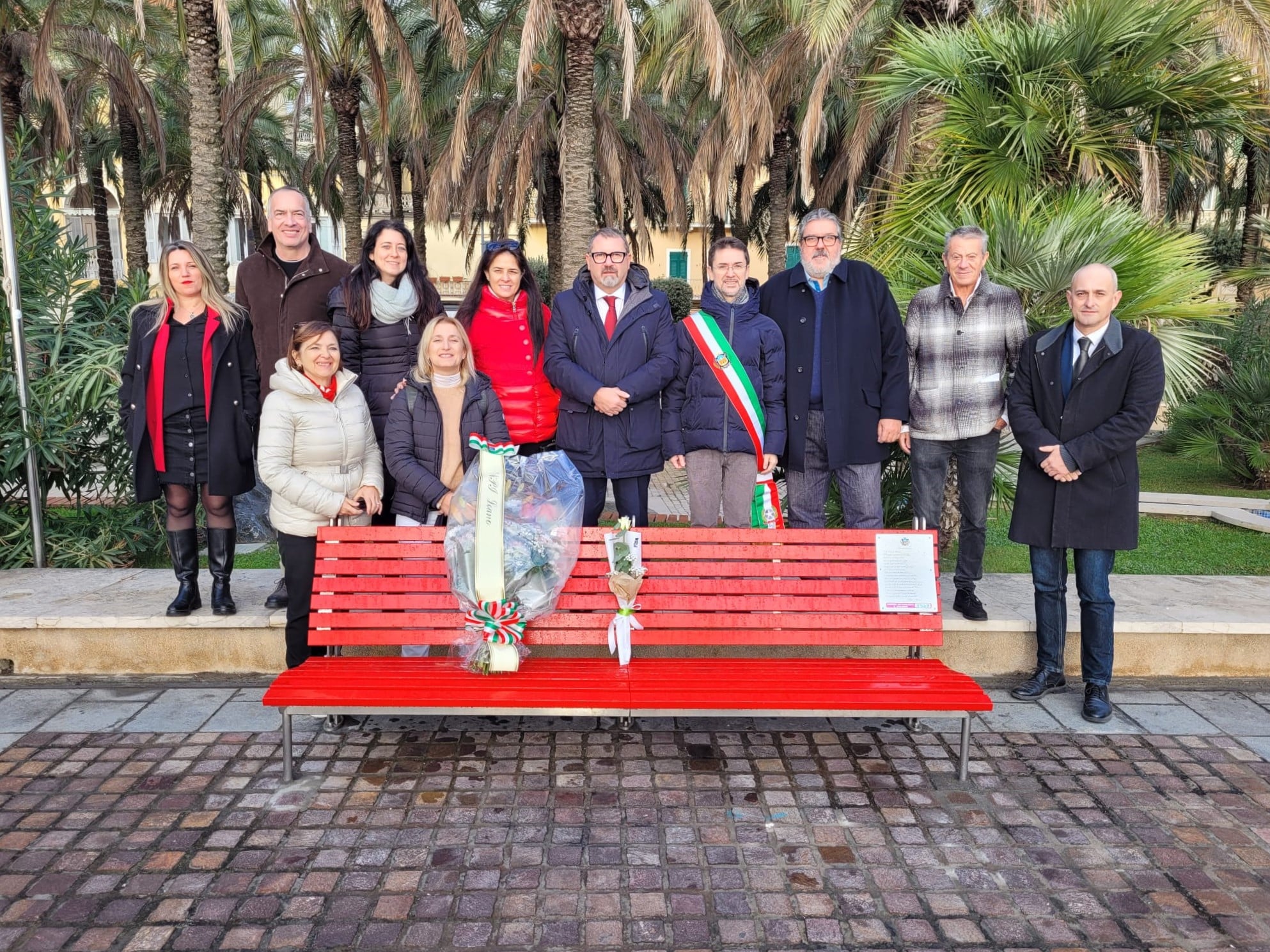
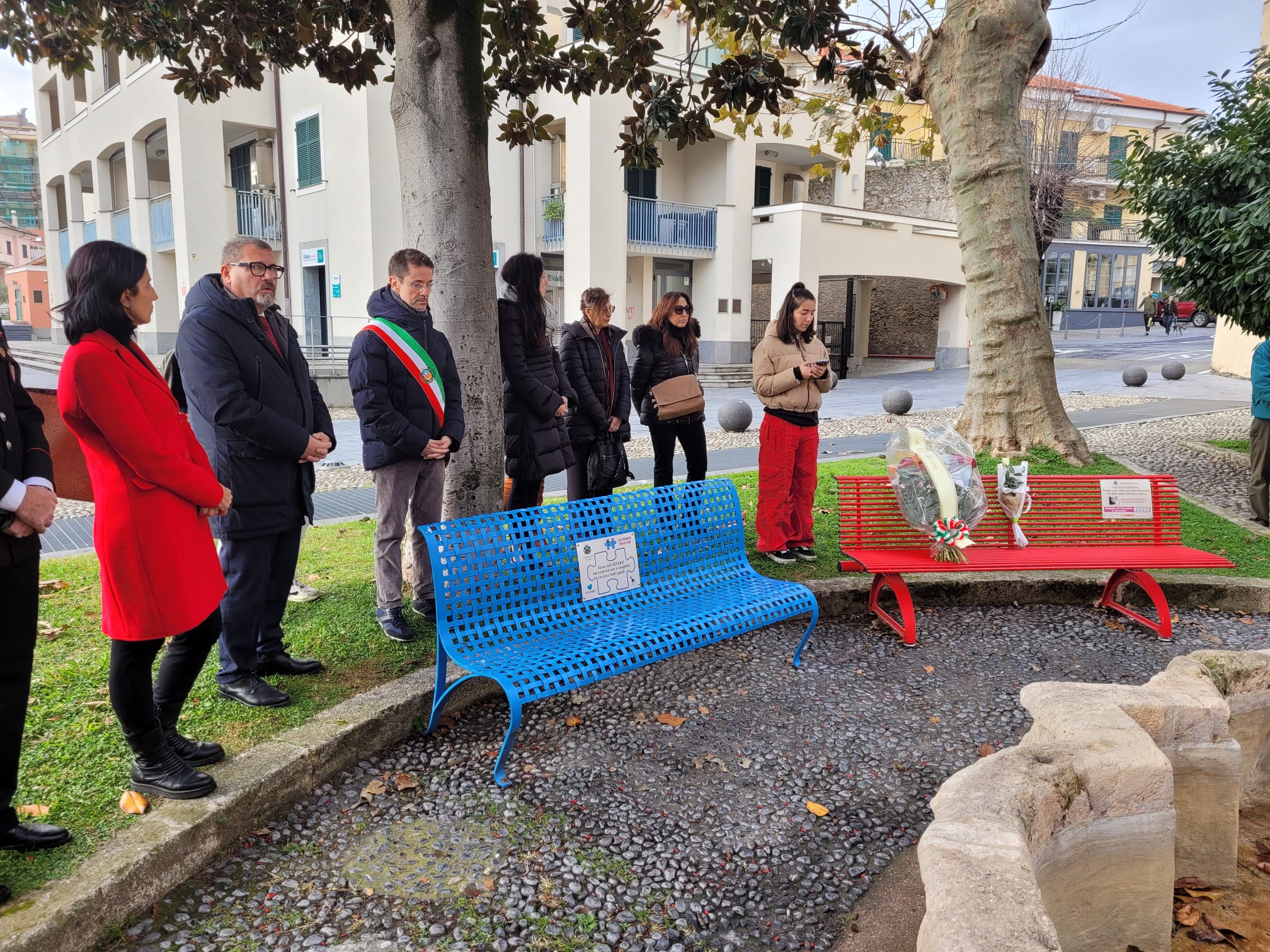
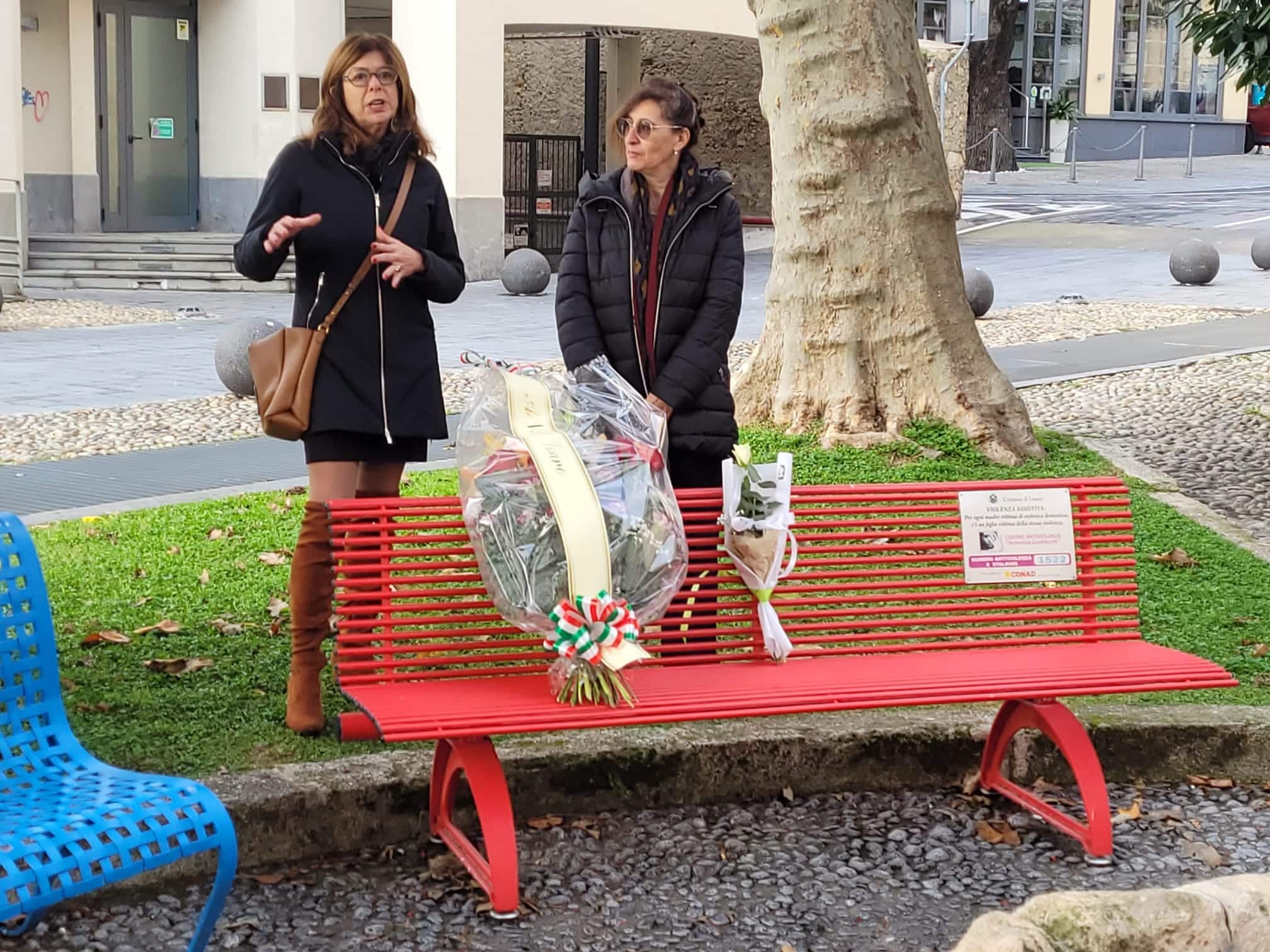
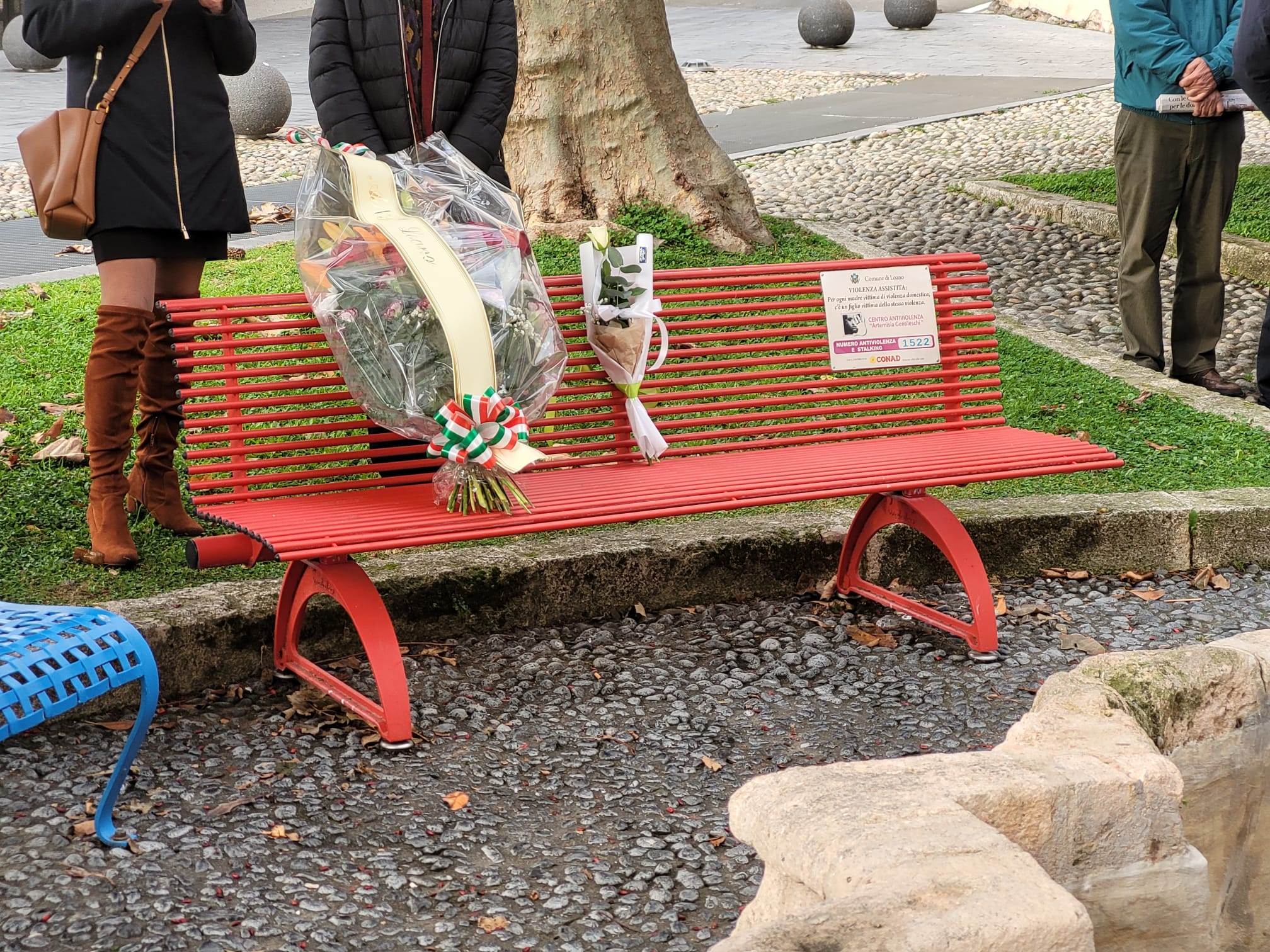
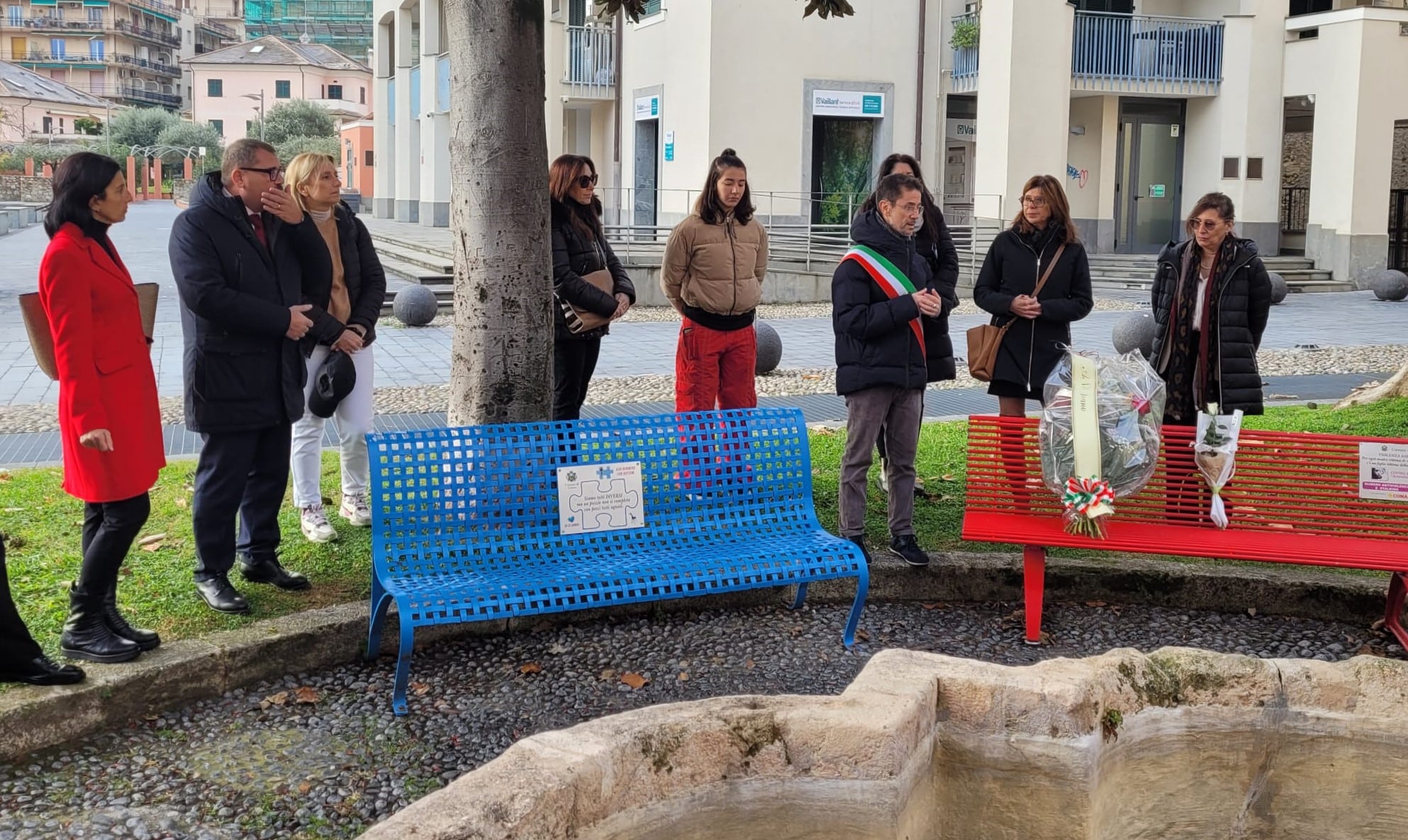
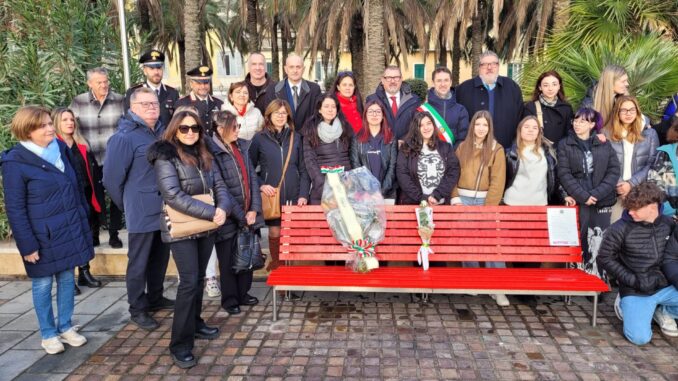
Starting at 8:45 a.m., a dual commemorative ceremony took place at the Red Benches located near Palazzo Kursaal and in Piazza Italia, the latter also dedicated to minors who are victims of witnessed violence. The ceremony was attended by the Mayor of Loano, Luca Lettieri, along with members of the municipal administration, the Savona police chief Giuseppe Mariani, regional councilors Sara Foscolo and Angelo Vaccarezza, representatives from the Carabinieri and Anpi, the anti-violence center “Artemisia Gentileschi,” and a delegation of students from the Falcone Institute and the Loano-Boissano Comprehensive Institute.
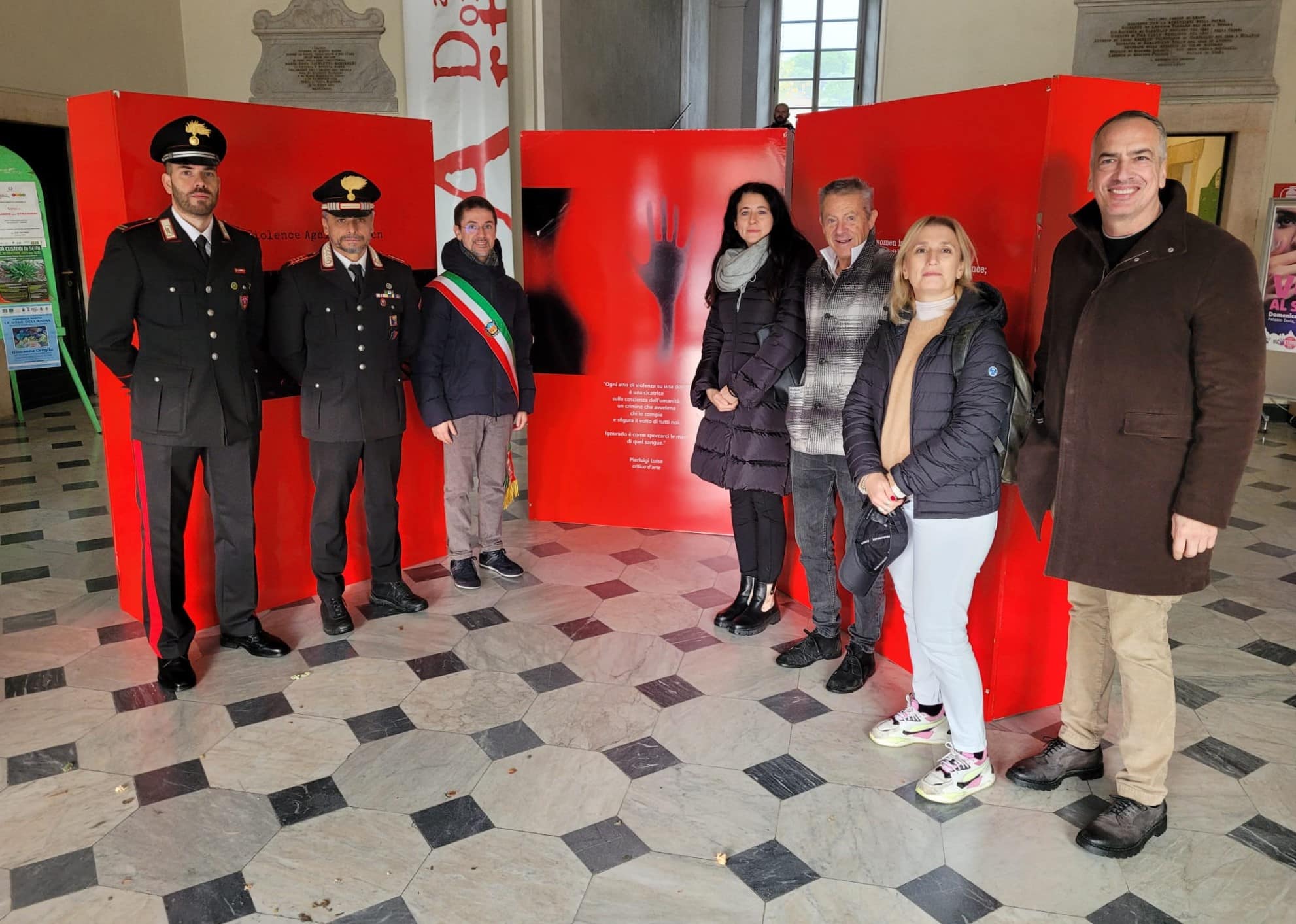
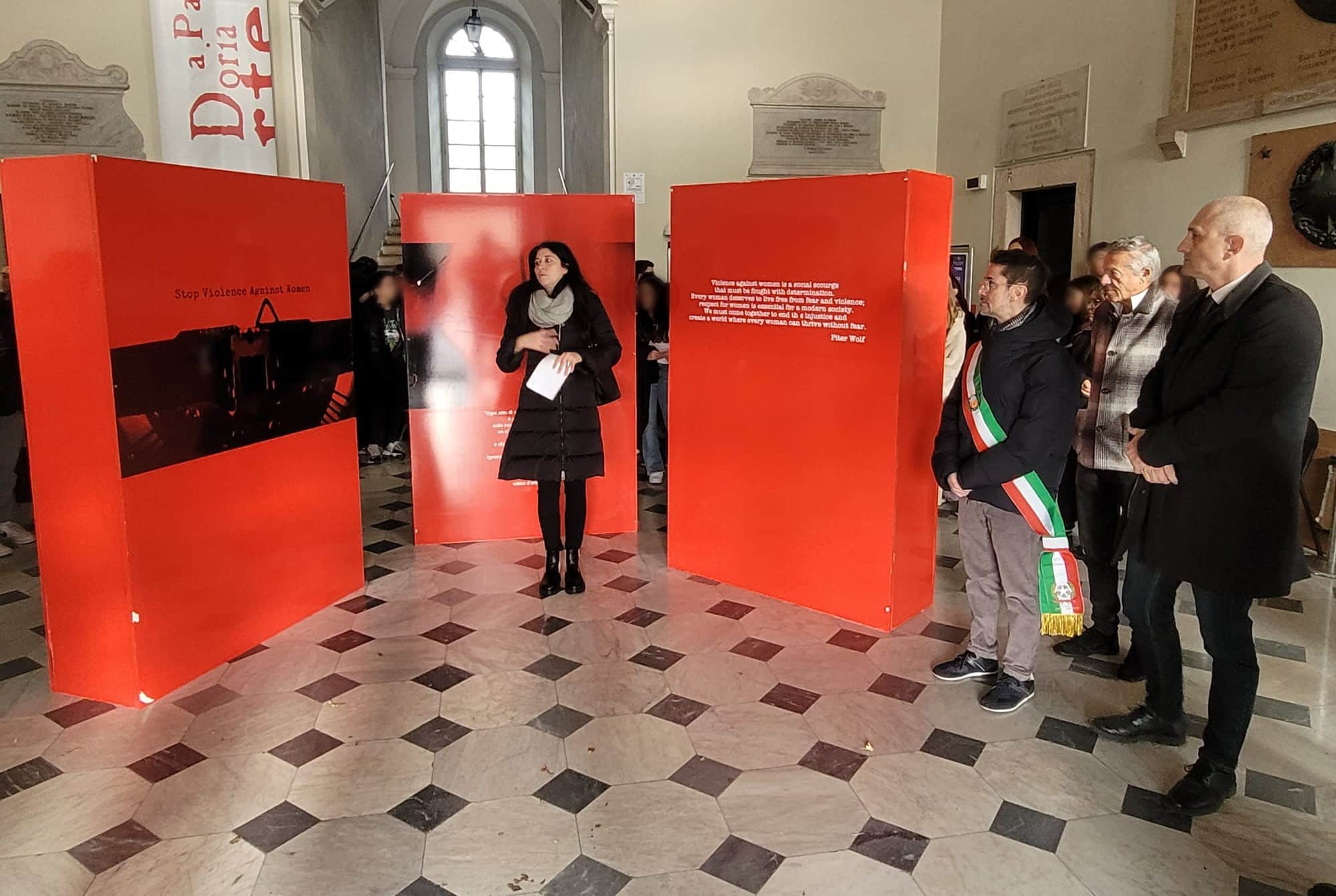
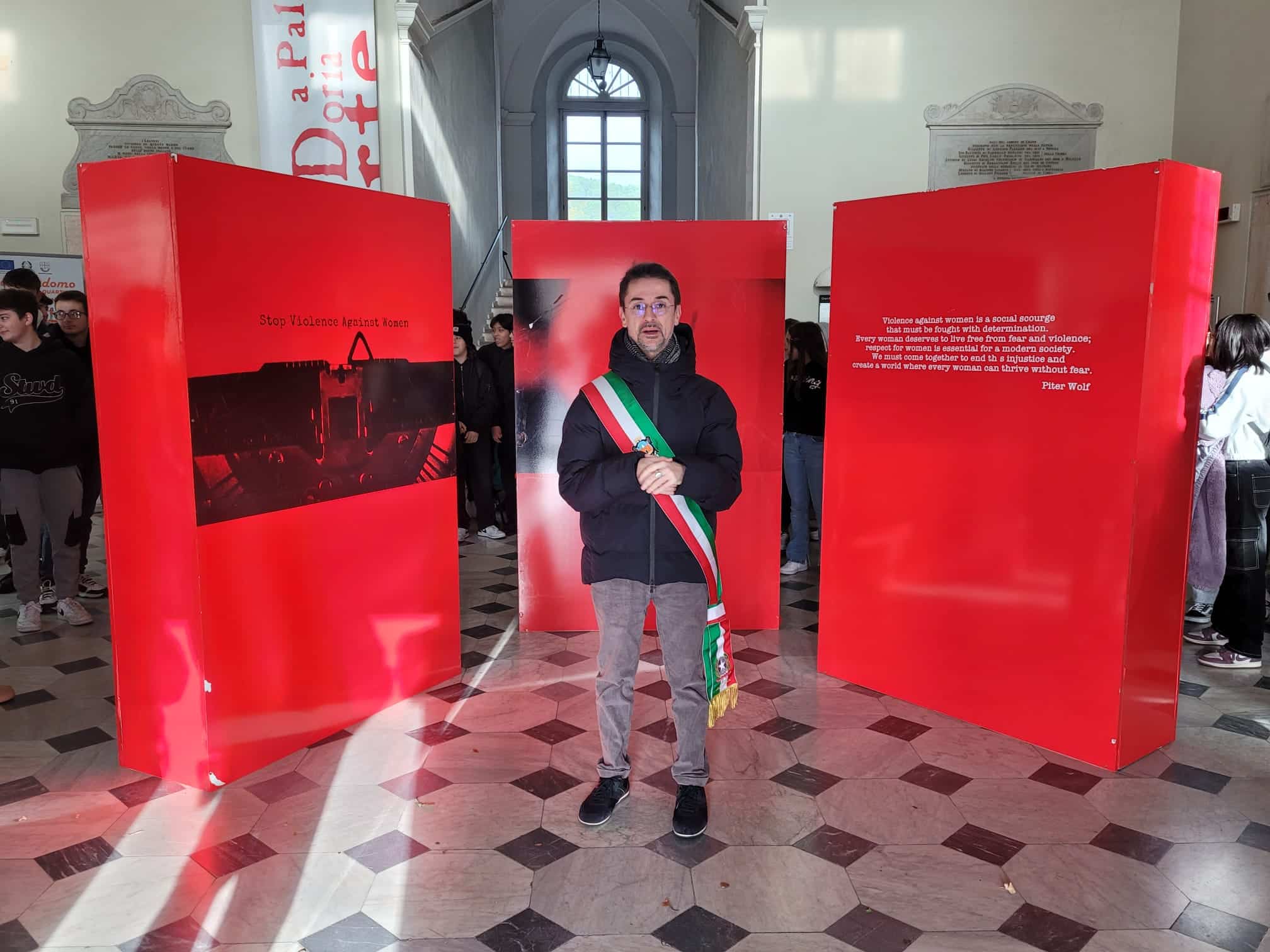
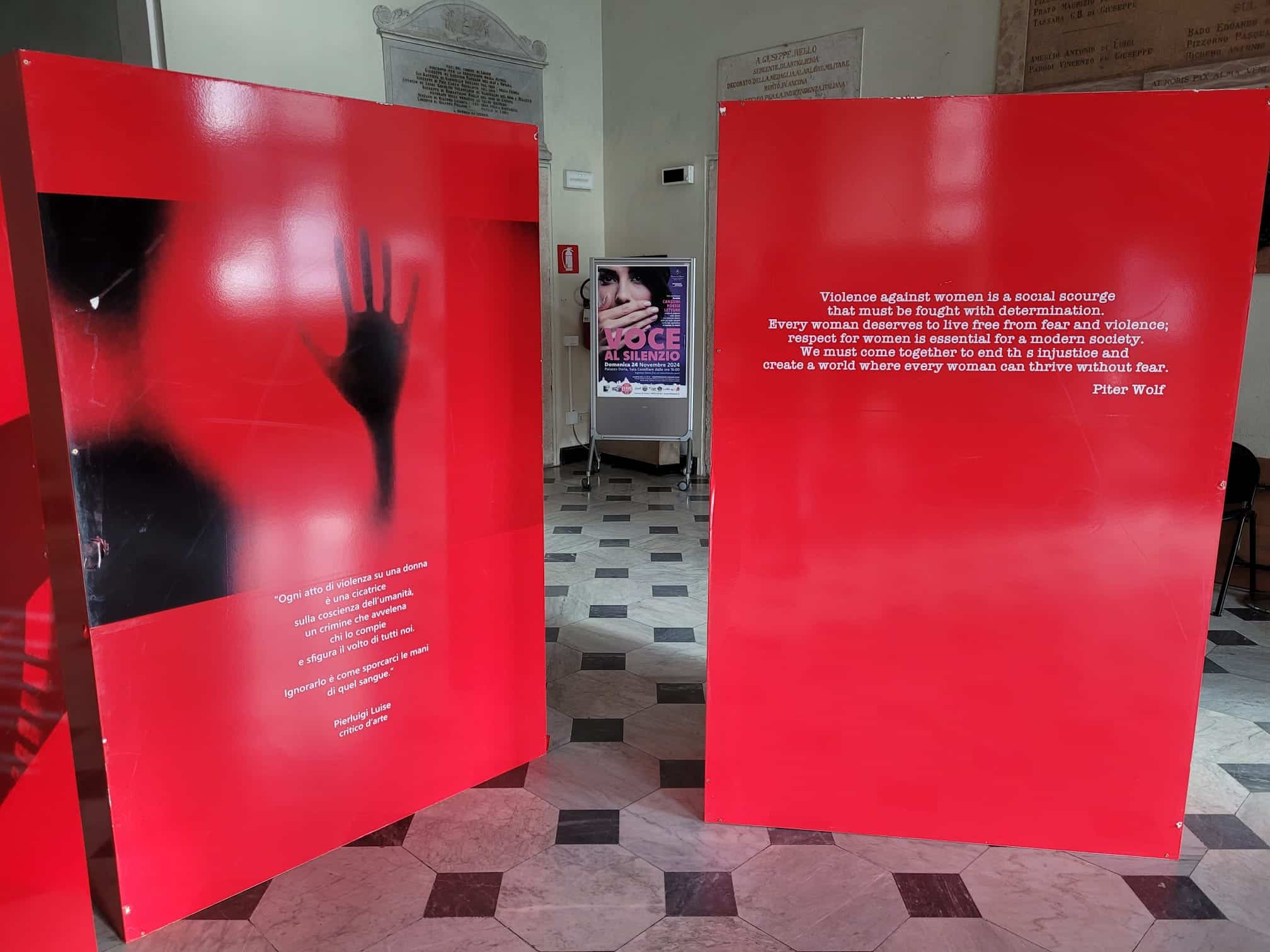
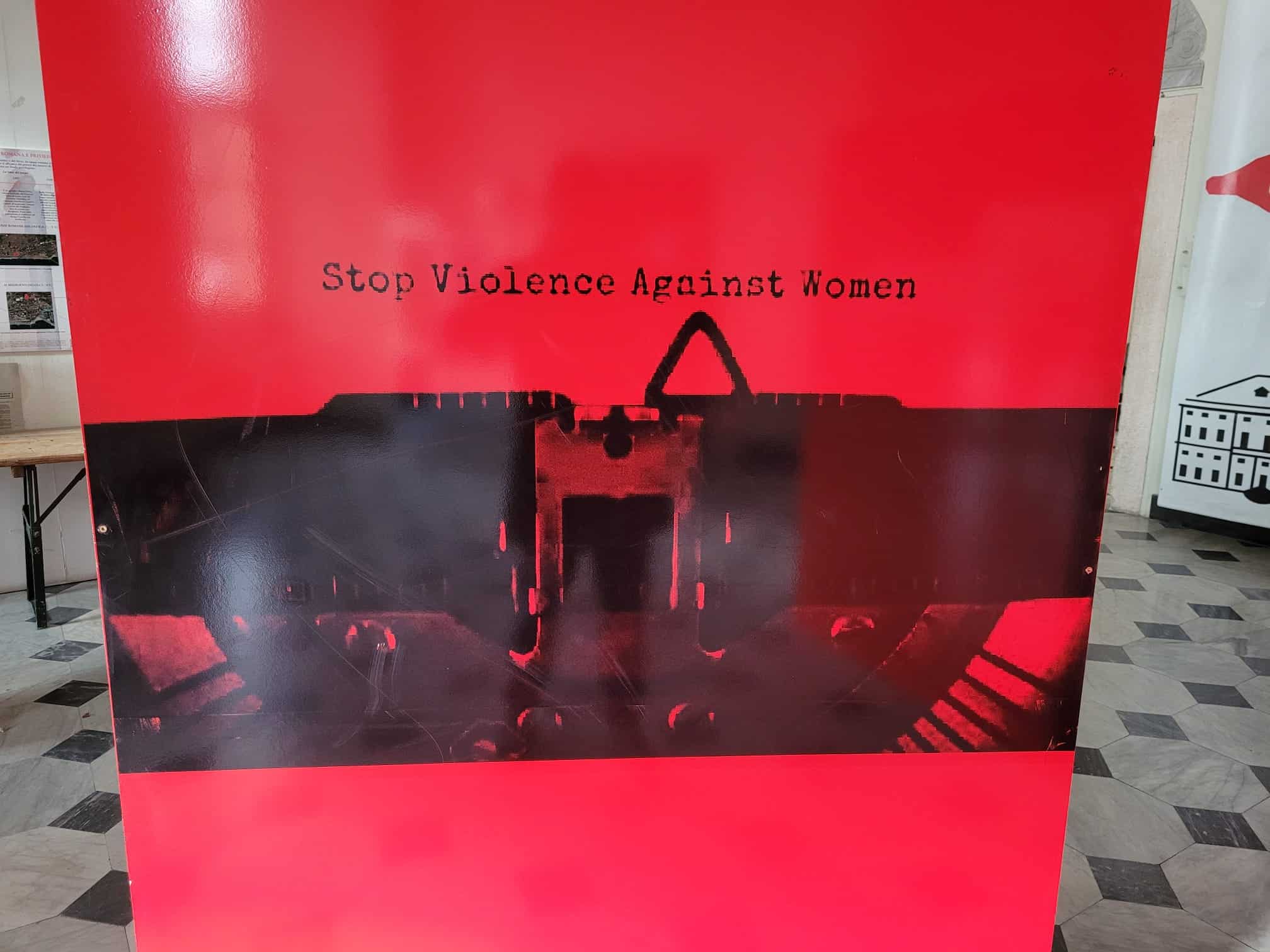
Later, in the atrium of Palazzo Doria, three monoliths were unveiled, created by artist Piter Wolf at the invitation of art critic Pierluigi Luise. These works were designed to deteriorate over time, symbolizing the aspiration for a future free from gender violence. “Violence against women is a social scourge to be fought with determination,” reads one of the monoliths. Wolf’s work embodies the hope for a society liberated from gender violence.
Art critic Pierluigi Luise explained: “Monoliths symbolize the origin of the human race, metaphorically representing women and the scars they have borne.” This installation highlights human degradation and the lack of respect towards women, aiming to inspire a future of equality and dignity. Luise emphasizes that “every act of violence against a woman leaves a scar on humanity’s conscience.”
Luise also pointed out that despite public condemnation of violence against women, concrete commitment often falls short. Institutions express solidarity but allocate limited resources to anti-violence centers. Furthermore, the judicial system doesn’t always respond adequately, with lenient sentences and insufficient attention to signs of abuse. While the media promotes awareness campaigns, they tend to trivialize the issue, failing to frame it as a social and cultural problem. Victim blaming attitudes persist, making it difficult for many women to receive understanding and support.
“Overcoming this hypocrisy requires genuine and multidimensional commitment,” concludes Luise, highlighting the need for profound cultural change to build a society where women can live without fear.
The “Artemisia Gentileschi” Anti-Violence Center provides shelter, advice, and protection for women who have suffered abuse or mistreatment. This organization, driven by the voluntary commitment of its members, is open to all women, regardless of religion, ethnicity, political affiliation, or sexual orientation, with the aim of fostering female empowerment.
Access to the center’s services begins with an initial phone contact. The numbers, 0182.571517 and 019.670184, are available 24/7, with a volunteer handling the call and scheduling a personal meeting at one of the operational sites. The center’s volunteers are specially trained in welcoming and listening techniques.
During the meeting, volunteers listen attentively to the woman, seeking to understand her distress and experiences. Based on her needs, they guide her to the services offered by the organization, which may include legal and psychological counseling or, in more severe cases, relocation to a safe house.