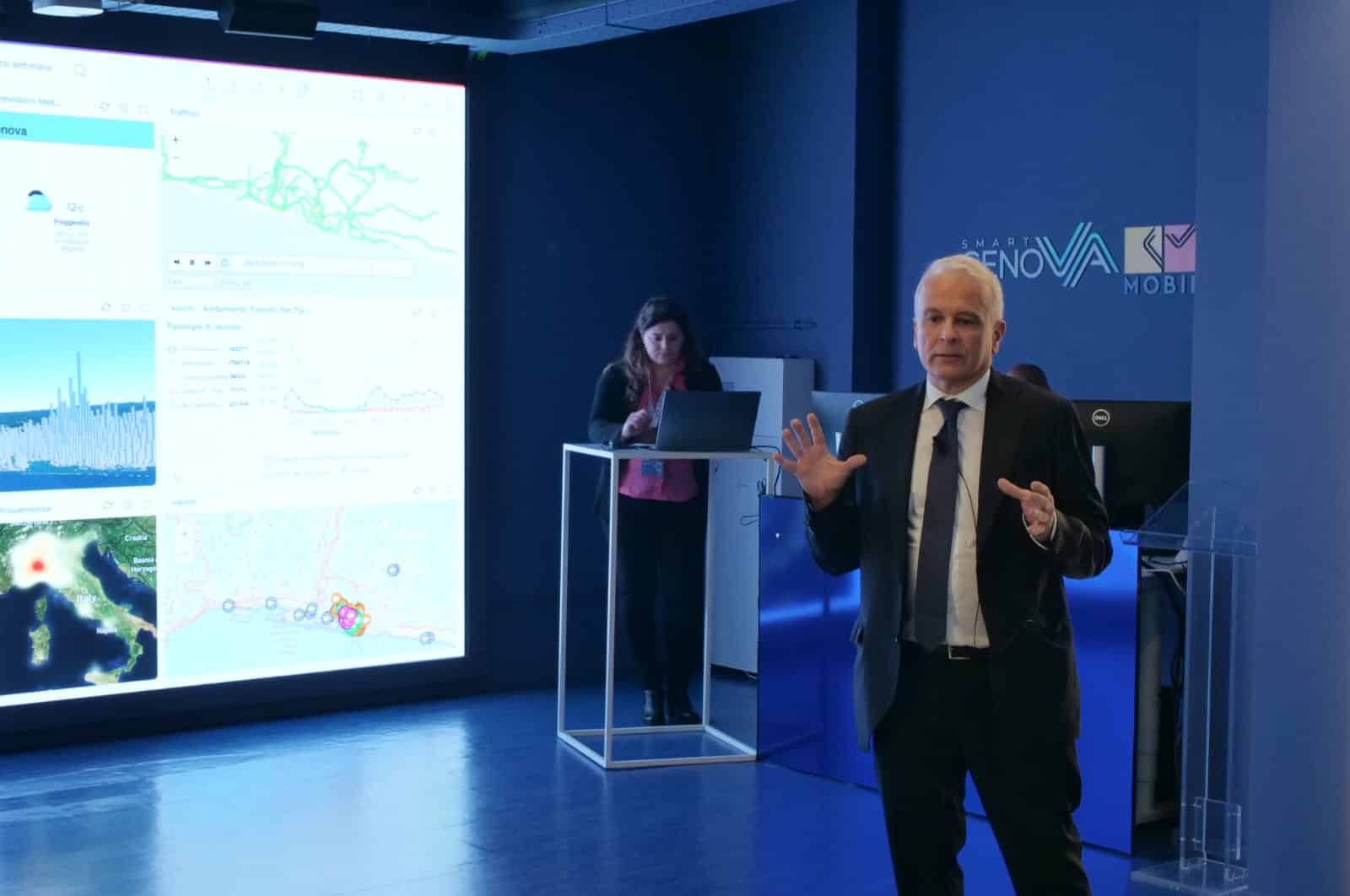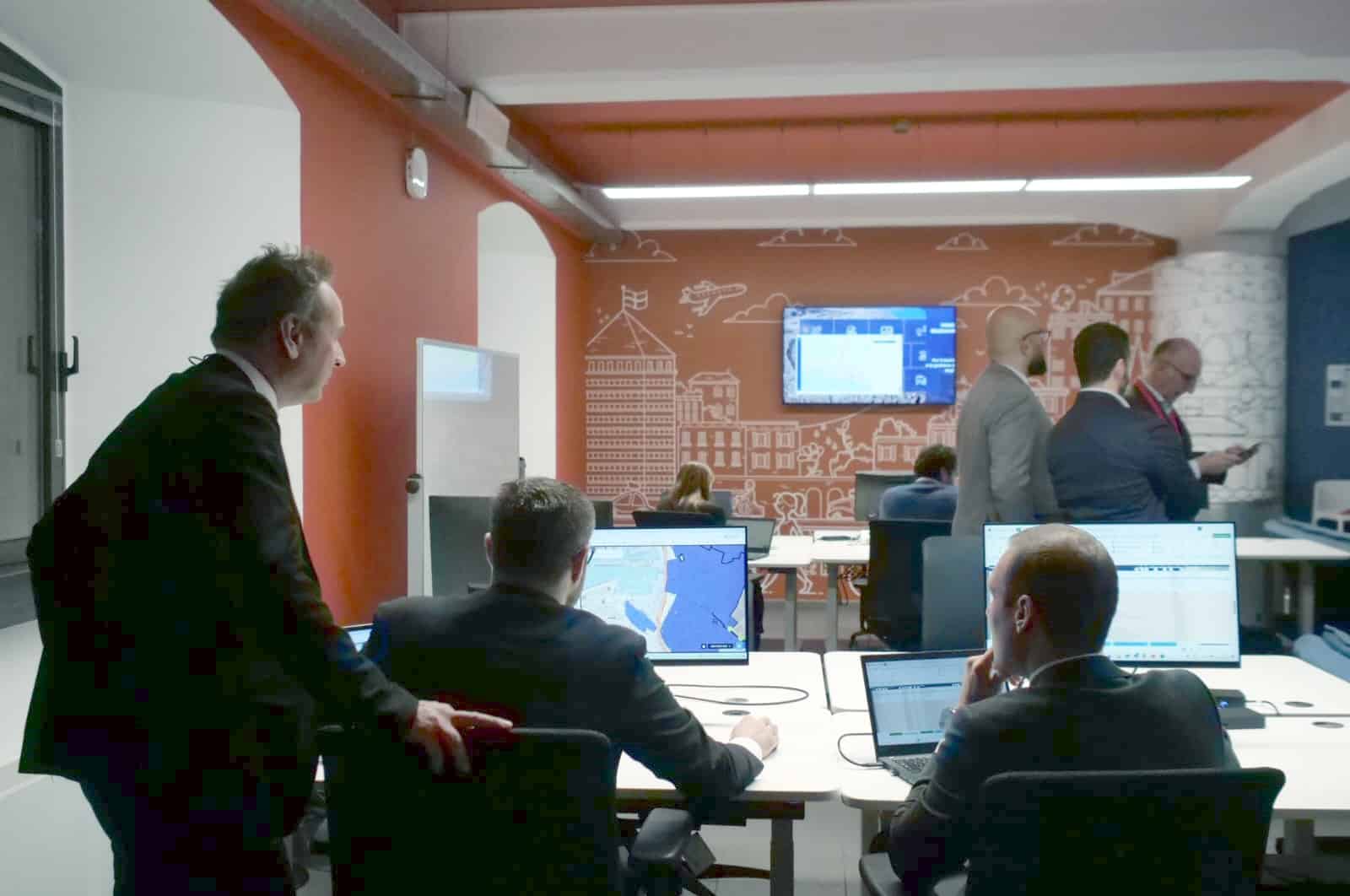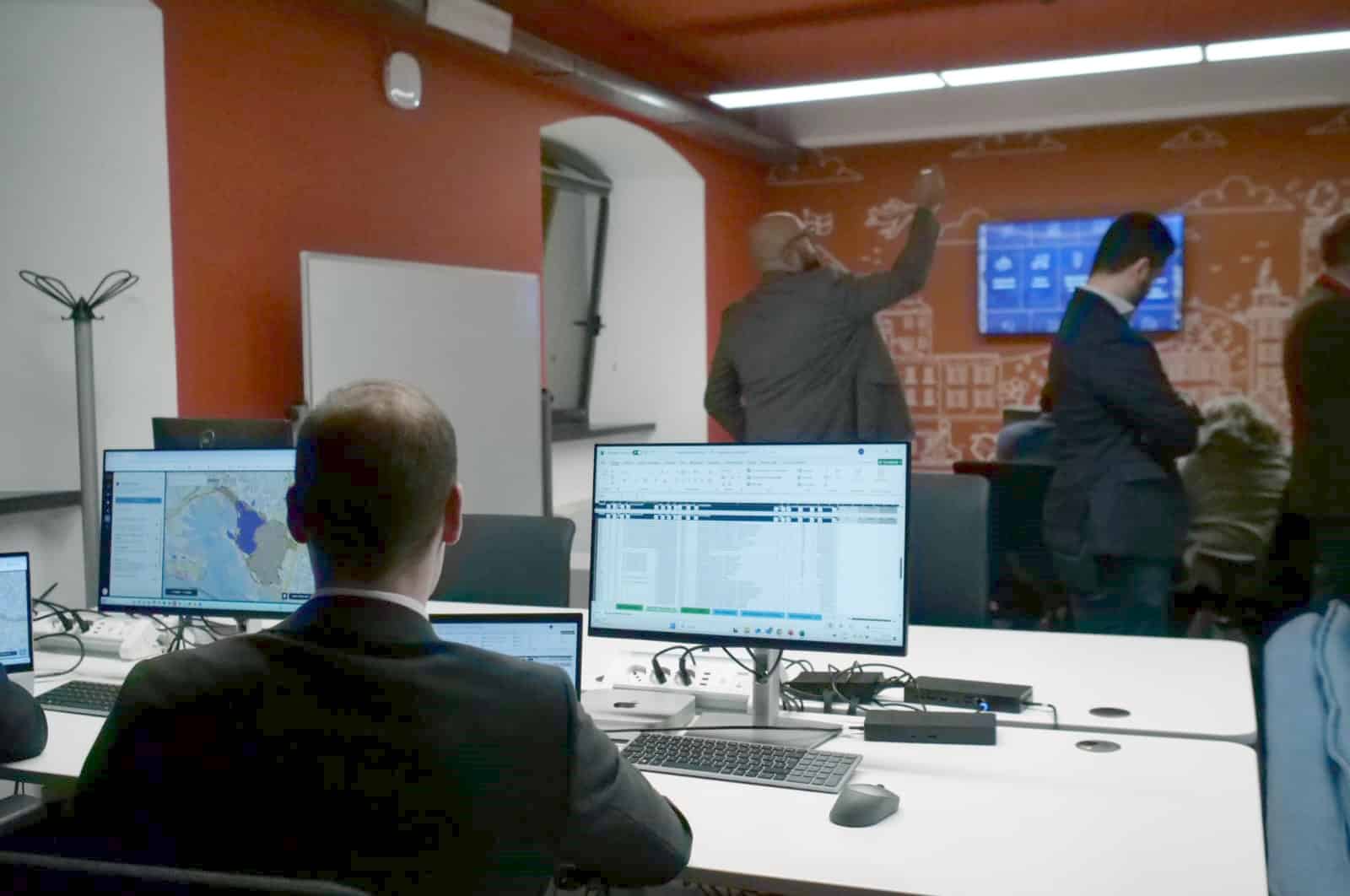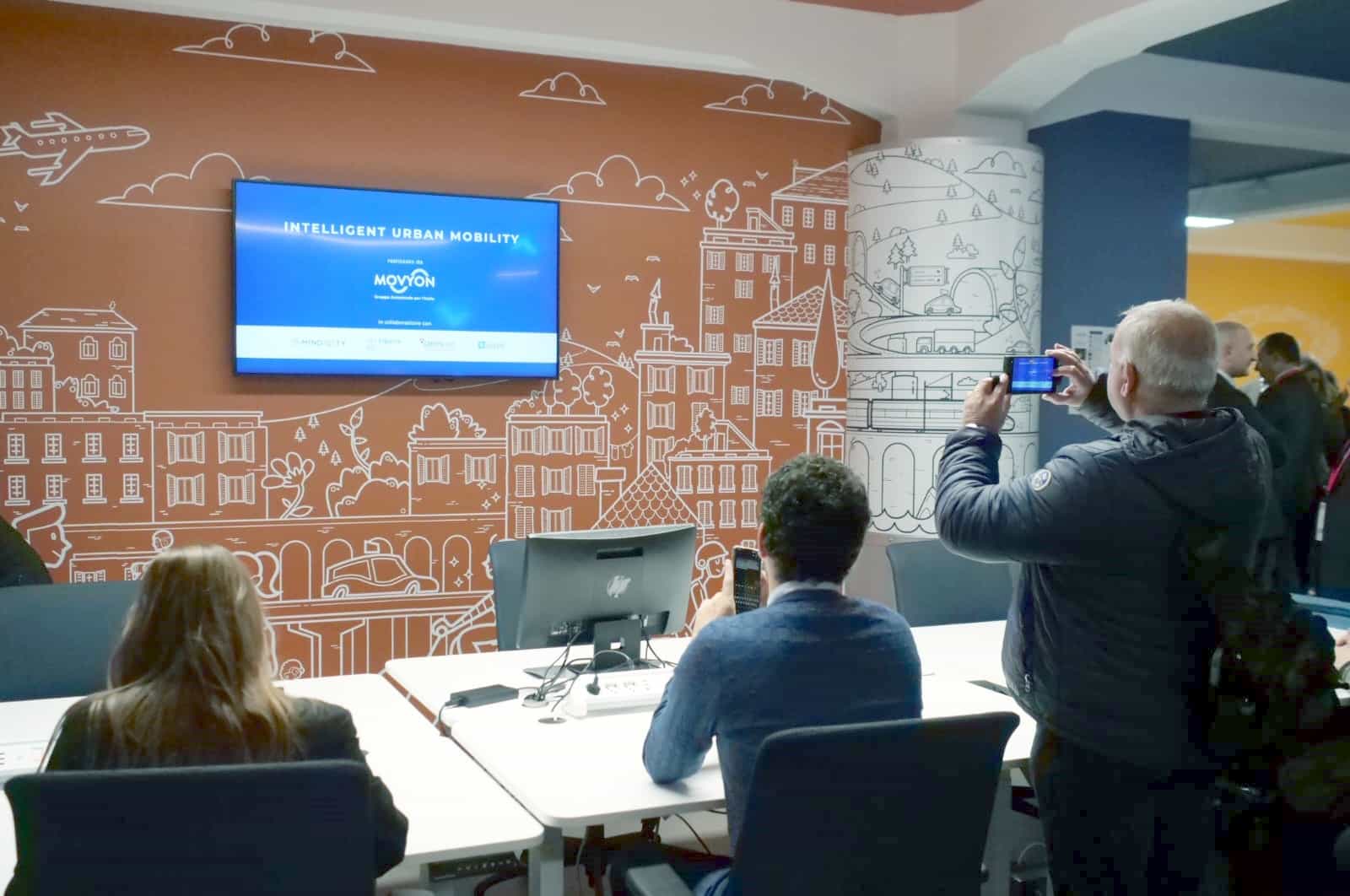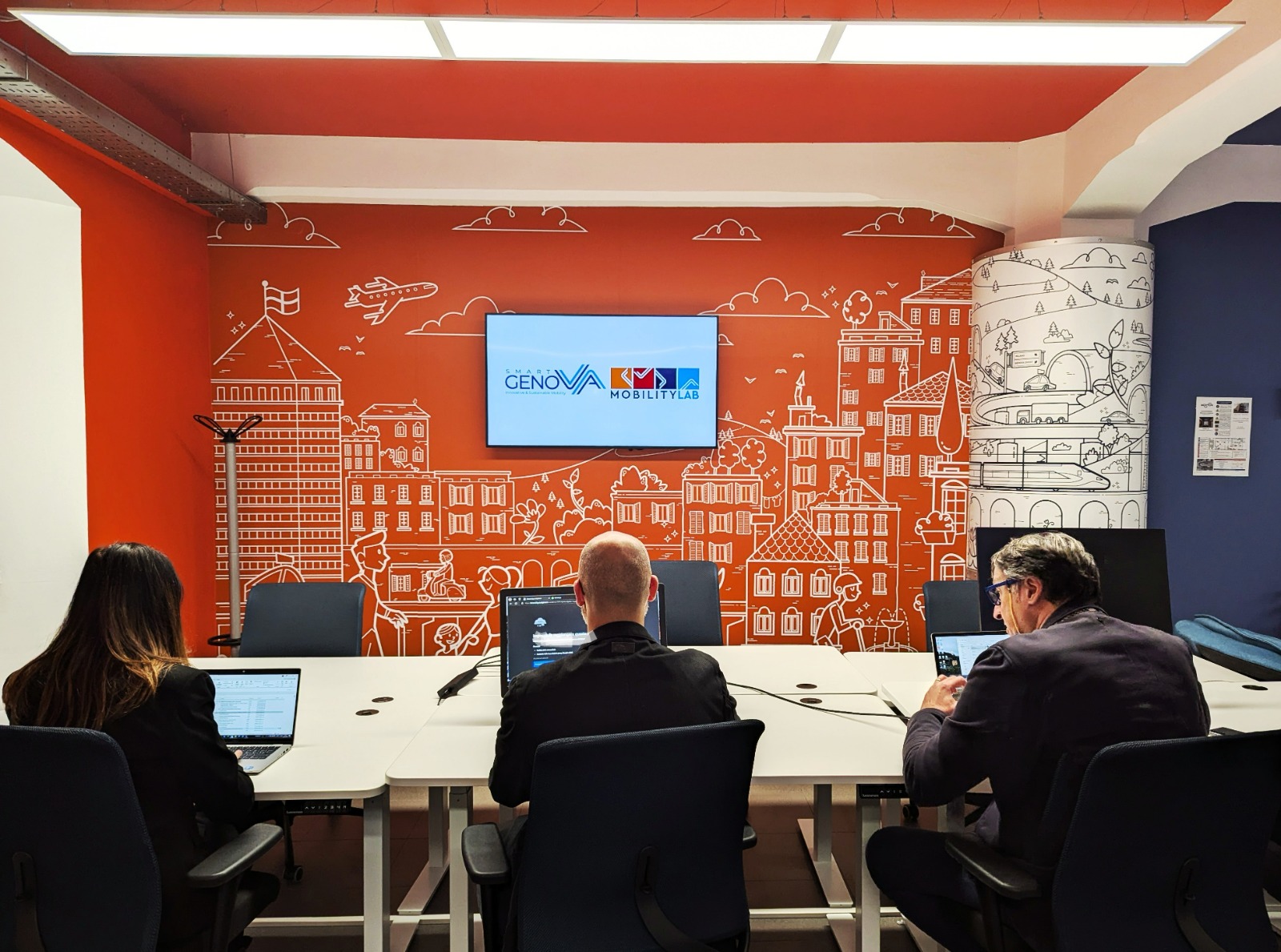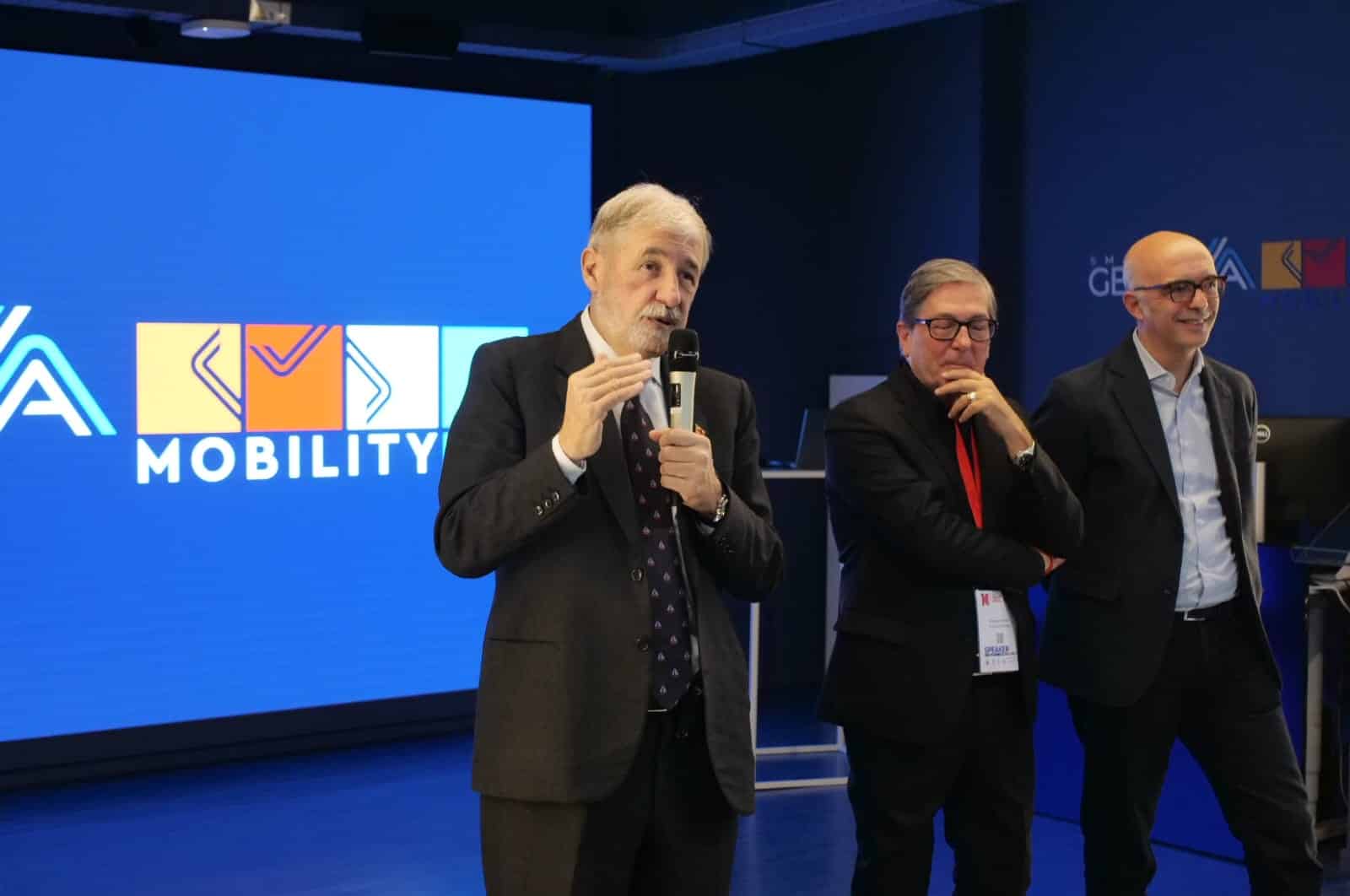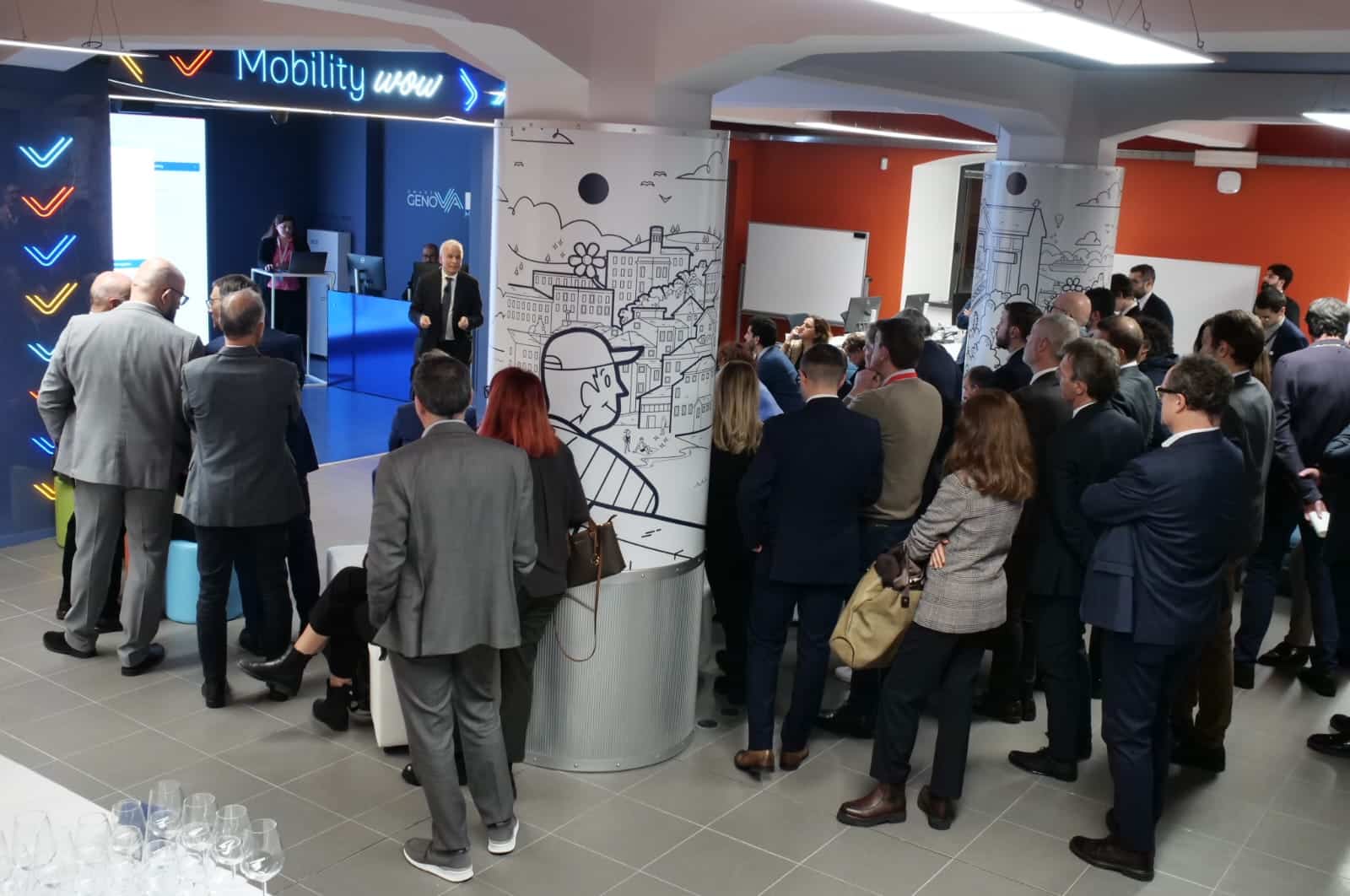
The Mobility Lab was established to advance technological innovations in the field of connected and efficient mobility, a mission shared by both Free to X and Movyon, companies under the Autostrade per l’Italia Group. Spanning 400 square meters, this space is dedicated to the Smart Genova project, a program aimed at enhancing urban mobility and freight logistics. Supported by the Municipality of Genoa, the Liguria Region, and the Western Ligurian Sea Port Authority (AdSP), the initiative seeks to transform the city and the Ligurian port system into a model of advanced transportation in Italy.
The launch event took place during the Genoa Smart Week 2024. Located in the heart of the Old Port, the Mobility Lab serves as a meeting point for public and private stakeholders interested in the city’s innovative projects and port logistics activities.
The Mobility Lab aims to be a hub for co-design, fostering collaboration between the Municipality, the Region, and the AdSP. Its goal is to become a national benchmark in smart mobility, providing spaces for discussions, insights, and educational activities benefiting citizens and industry operators.
The Intelligent Urban Mobility Project
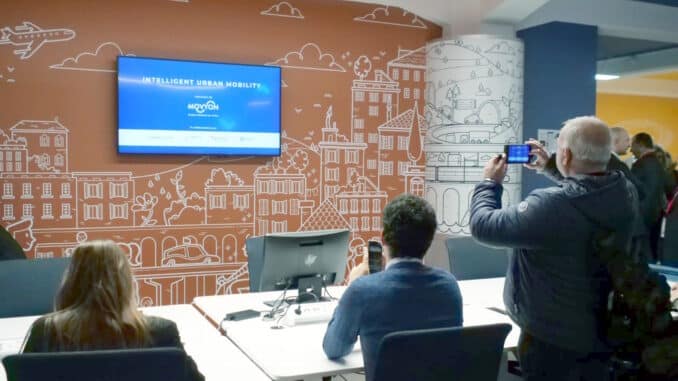
The Mobility Lab in Genoa is spearheading an innovative initiative named Intelligent Urban Mobility, aimed at enhancing city traffic management through an advanced data-driven system. By leveraging cutting-edge Internet of Things technologies, the project collects data from the area, analyzes it with artificial intelligence, and provides advanced services to citizens. This system also supplies the public administration with updated information and tools for data-based decision-making.
The project is led by Movyon, a company within the Autostrade per l’Italia Group, in collaboration with partners such as Liguria Digitale, Mindicity, Gruppo FOS, and Aitek. Together, they are developing a unique system that integrates data and external applications while enhancing local expertise. This system is hosted in Liguria Digitale’s Data Center, with all hardware and software infrastructure owned by the city.
Among the innovative elements, the digital platform acts as a digital twin of the city, managing alert scenarios and supporting urban operational management. It offers short- and medium-term forecasting tools for public policymakers by integrating various advanced functions.
The monitoring and control system of access and transit allows for dynamic city mobility management, forecasting impacts related to construction and events, and supporting operational decisions through gateways and traffic lights.
Artificial intelligence applied to images identifies available parking spaces in public parking areas in real-time. Citizens receive updates via panels and the Urban Smart Road, which communicates information to vehicles through the Infoparking system.
The Urban Smart Road prepares Genoa for the advent of connected and autonomous vehicles, providing necessary information to citizens and encouraging positive behavior. The City Logistics module, developed with urban logistics operators, integrates delivery data into the digital twin, optimizing routes and stops to reduce inefficiencies and congestion.
Lastly, the adaptive traffic light regulation optimizes city traffic in favor of public transport and emergency vehicles, using data from the digital twin to enhance traffic flow and road safety through active information strategies.
The Smart Logistics project emerges in the Italian maritime transport landscape as an initiative aimed at enhancing the efficiency of the port and goods logistics. Even within a context already marked by innovation, thanks to the system known as the Port Community System, the plan’s goal is to further optimize processes. This system exemplifies success in the port sector, highlighting the importance of advanced technological solutions to manage port operations more effectively. With a targeted approach, the project seeks to boost the sector’s competitiveness by improving goods management and reducing waiting times. The initiative not only promises economic benefits but also aims to enhance the entire logistics ecosystem, making it more sustainable and adaptable to the demands of the global market.
Genoa is emerging as a model of innovation and sustainability, poised to lead the future of smart mobility in Italy and beyond. The opening of the Mobility Lab marks a significant advancement for the city, establishing it as a hub for developing cutting-edge technological solutions for more efficient, safe, and environmentally friendly mobility. Marco Bucci, President of the Liguria Region, emphasizes, “The synergy between public and private sectors reveals its immense potential: state-of-the-art technologies, data analysis, and artificial intelligence serve citizens by optimizing urban mobility management and enhancing everyone’s quality of life.” The Mobility Lab, supported by excellence like Liguria Digitale and Movyon, is a place where innovation meets tradition. Its location in the heart of the old port symbolizes the commitment to building a modern and livable Genoa and Liguria, enhancing significant industrial and logistical assets.
Matteo Campora, the Mobility Councillor (Assessore) of the Municipality of Genoa, states, “The Mobility Lab is set to become a national benchmark for mobility. The collaborative development of technological innovations for increasingly connected and efficient mobility is of great importance.” The administration has dedicated significant attention to this issue through numerous projects for local public transport. The integrated management of Genoese mobility, through data processing with artificial intelligence, represents a significant technological innovation, bringing benefits to citizens.
The Intelligent Urban Mobility project offers the opportunity to apply the expertise of the Autostrade per l’Italia Group to the urban context, creating an example of excellence for the entire country. Sabino Titomanlio, Director of the Urban Mobility business unit at Movyon, highlights, “The challenge is to gather and enhance all available data and make new and existing applications collaborate.” After the first year, a digital twin of the city is already operational, a software platform relying on infrastructures that will remain owned by the city. Preparations are underway for the installation of connected urban infrastructure, consisting of systems distributed throughout the Genoese territory, such as ZTL gateways and traffic monitoring points. These innovative elements will fuel a data reservoir for advanced and sustainable urban mobility management.